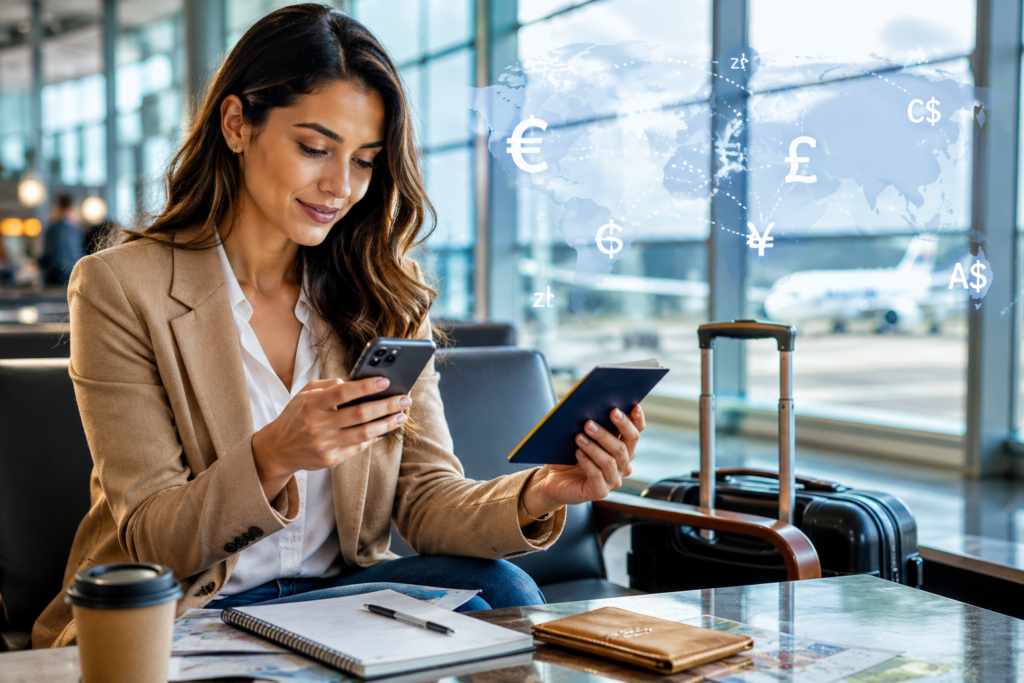
Learn how exchange rates affect travel expenses, hotel costs, food prices, and budgeting abroad. Simple guide for international travelers.
Planning an international trip involves more than booking flights and hotels. Exchange rates can have a major impact on how much money you spend while traveling. Even small changes in currency values can affect the cost of accommodations, dining, transportation, and shopping.
Understanding how exchange rates work can help travelers make smarter financial decisions and avoid unexpected expenses.
What Is an Exchange Rate?
An exchange rate is the value of one currency compared to another currency.
For example:
- 1 US Dollar (USD) = 18 South African Rand (ZAR)
- 1 US Dollar (USD) = 0.85 Euro (EUR)
- 1 US Dollar (USD) = 150 Japanese Yen (JPY)
Exchange rates change constantly based on economic conditions, interest rates, inflation, and global market activity.
Why Exchange Rates Matter for Travelers
When your home currency is strong, your money goes further in another country.
For example:
If the exchange rate improves from:
- 1 USD = 17 ZAR
to - 1 USD = 19 ZAR
You receive more South African Rand for every dollar exchanged.
This means:
- Hotels become more affordable
- Restaurants cost less in USD terms
- Transportation expenses decrease
- Shopping becomes cheaper
A stronger currency can significantly reduce travel costs.
When Exchange Rates Work Against You
The opposite can also happen.
If your home currency weakens, you receive less foreign currency when exchanging money.
This can increase:
- Hotel expenses
- Food costs
- Attraction tickets
- Transportation fees
Travelers may find themselves spending more than expected even if local prices remain unchanged.
How to Monitor Exchange Rates Before a Trip
Before traveling internationally, it is helpful to monitor exchange rate trends for several weeks.
Look for:
- Currency market fluctuations
- Economic news
- Central bank announcements
- Inflation reports
Understanding recent trends can help you choose the best time to exchange money.
Should You Exchange Currency Before Traveling?
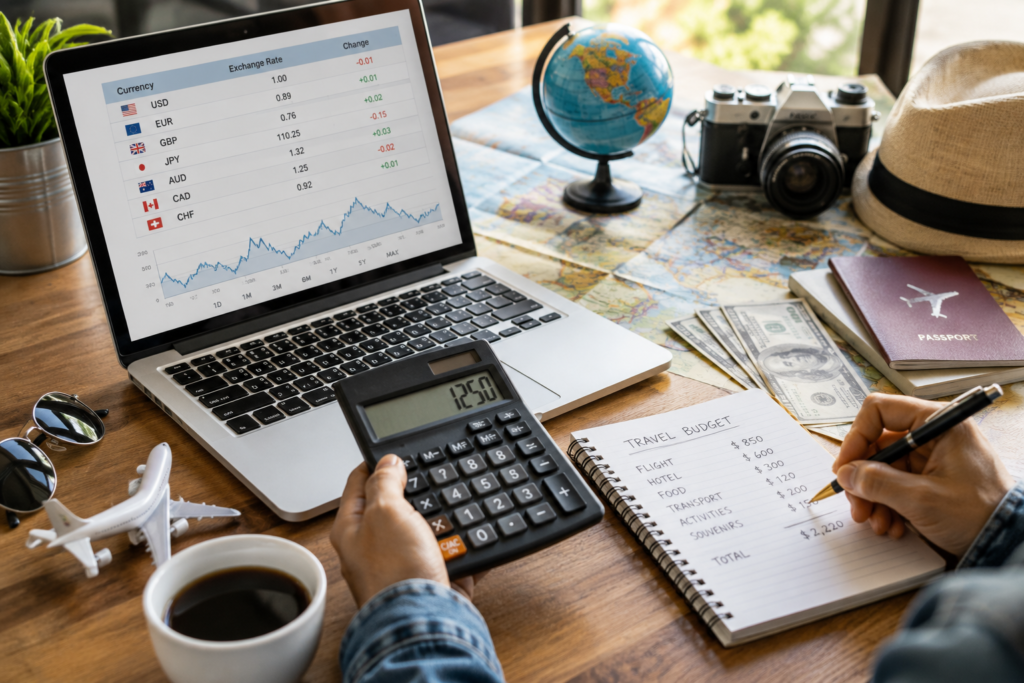
Many travelers exchange at least a portion of their money before departure.
Benefits include:
- Knowing exactly how much foreign currency you have
- Avoiding airport exchange fees
- Reducing stress upon arrival
However, it is often wise to compare exchange rates from:
- Banks
- Credit unions
- Online currency services
- Airport kiosks
Rates and fees can vary significantly.
Credit Cards and Exchange Rates
Many travel credit cards offer competitive exchange rates.
Advantages include:
- Better conversion rates
- Fraud protection
- Reduced need to carry cash
- Easier expense tracking
Before traveling, verify whether your card charges foreign transaction fees.
Travel Budgeting Tips
To reduce exchange-rate-related surprises:
- Monitor rates before your trip.
- Set a travel budget in your home currency.
- Carry multiple payment options.
- Avoid exchanging large amounts at airports.
- Compare rates from different providers.
These simple steps can help maximize the value of your travel budget.
Final Thoughts
Exchange rates play an important role in international travel expenses. A favorable exchange rate can make hotels, meals, transportation, and shopping more affordable, while an unfavorable rate can increase costs quickly.
Understanding how currency values change and planning ahead can help travelers get the most value from their money and enjoy a smoother travel experience.
Place naturally within the article:
What Is an Exchange Rate?
Link “exchange rates” to:
Travel Budgeting Tips section
Link “convert currency” to:
Final Thoughts section
Link “currency conversion” to: