Ever wondered if that price tag you see while traveling is a bargain or a mistake?
Navigating international markets can be tricky without understanding how currency values work. Whether you’re planning a vacation, sending money abroad, or shopping online from international stores, knowing how to convert currency properly can help you avoid unnecessary costs.
Many travelers, freelancers, and online shoppers lose money simply because they don’t understand exchange rates or hidden conversion fees. Learning how to convert currency step-by-step makes international transactions easier and helps you keep more of your money.
This beginner guide explains the basics of exchange rates, simple conversion formulas, and practical tips for handling money across borders.
Key Takeaways
- Understand how currency conversion works
- Learn the simple formula used to calculate exchange rates
- Discover why exchange rates change throughout the day
- Avoid hidden fees when converting money
- Gain confidence when traveling or shopping internationally
What Is Currency Conversion and Why You Need It
Currency conversion means exchanging one country’s money for another based on the current exchange rate. This process happens constantly in the global economy whenever people travel, trade internationally, or send money abroad.
Understanding the Basics of Currency Exchange
Currency exchange is the process of converting one type of money into another. For example, if you travel from the United States to Europe, you’ll need to exchange US dollars (USD) for euros (EUR).
The exchange rate determines how much of another currency you receive for your money.
If the exchange rate is:
1 USD = 0.92 EUR
Then $100 USD would equal about €92 euros.
Exchange rates are constantly changing based on global financial markets.
Common Situations When You Need to Convert Money
People convert currency in many everyday situations, including:
- Traveling internationally
- Shopping on foreign websites
- Sending money to family overseas
- Investing in foreign markets
- Running international businesses
If you’re new to global money systems, you may also want to learn how exchange rates actually work in international markets:
If you’re new to international finance, it helps to understand how currency exchange rates work before performing conversions.
Physical Cash vs Digital Currency Conversion
There are two main ways to convert currency.
Physical Currency Exchange
This happens when you exchange cash at places like:
- Banks
- Airport currency exchange counters
- Currency exchange kiosks
While convenient, these locations often charge higher fees.
Digital Currency Conversion
Digital conversion happens when using:
- Online currency converters
- International payment apps
- Credit cards for foreign purchases
Digital conversions often offer better rates because operating costs are lower.
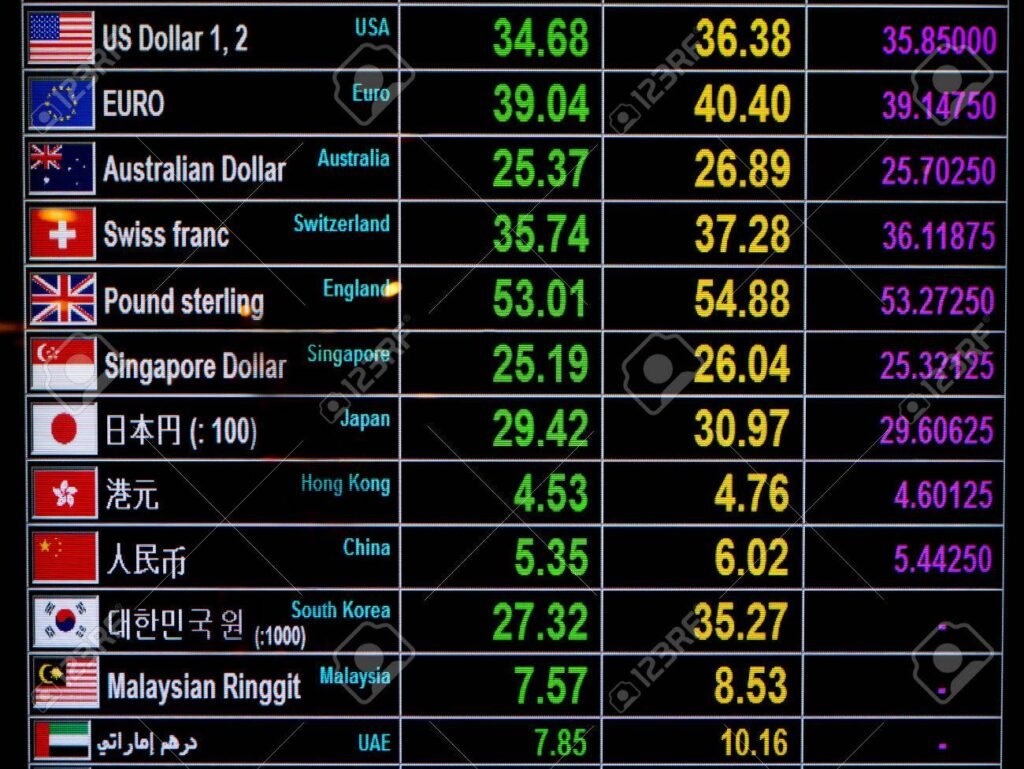
Understanding Exchange Rates: The Foundation of Currency Conversion
Exchange rates determine how much one currency is worth compared to another. They are the foundation of every international transaction.
What Is an Exchange Rate?
An exchange rate tells you how much of one currency you can receive for another.
Example:
1 USD = 0.92 EUR
That means $100 USD converts to about €92.
Factors That Determine Exchange Rates
Exchange rates change constantly due to economic conditions such as:
- Interest rates
- Inflation levels
- Employment data
- Global political events
- Market demand for currencies
For a deeper understanding of what drives exchange values, you can read our guide on what affects currency exchange rates globally.
Why Exchange Rates Change Throughout the Day
Currency markets operate 24 hours a day. As traders buy and sell currencies around the world, prices constantly move.
Major economic news, central bank announcements, and global events can all cause exchange rates to fluctuate within minutes.
How to Convert Currency Step-by-Step
Now let’s look at the simple process used to convert currency accurately.
Step 1: Find the Current Exchange Rate
First, check the current exchange rate for your currency pair.
You can find rates using:
- Online currency converters
- Banking apps
- Financial news websites
Step 2: Identify the Currencies You Are Converting
There are always two currencies involved.
Source Currency – the money you currently have
Target Currency – the money you want to convert into
Example:
Source Currency: USD
Target Currency: EUR
Step 3: Use the Currency Conversion Formula
The basic formula is very simple:
Amount × Exchange Rate = Converted Amount
Example:
$100 USD × 0.92 = €92 EUR
Real Example for Travelers
Imagine you are traveling to Europe with $500 USD.
If the exchange rate is:
1 USD = 0.92 EUR
Your conversion would be:
$500 × 0.92 = €460

Step 4: Calculate Fees and Hidden Costs
Many services charge extra fees for currency conversion.
Common fees include:
- Bank conversion fees
- Foreign transaction fees
- ATM withdrawal charges
- Exchange service commissions
These costs can reduce the amount of money you receive.
If you want to avoid unnecessary costs, it also helps to understand the mid-market exchange rate explained and why it matters.
Step 5: Double-Check Your Conversion
Before completing a currency exchange, always double-check:
- The exchange rate used
- Any added fees
- The final converted amount
Even small differences in exchange rates can impact how much money you receive.
Where to Exchange Currency
There are several places where you can convert money.
Banks and Credit Unions
Banks are one of the safest options for currency exchange. They usually offer reliable rates and secure transactions.
Currency Exchange Kiosks
These are commonly found in:
- Airports
- Tourist areas
- Major cities
They are convenient but often charge higher fees.
Online Currency Conversion Services
Digital financial platforms have become popular for international money transfers because they offer competitive rates and lower fees.
ATMs Abroad
Many travelers withdraw local currency directly from ATMs when they arrive in another country.
Before traveling, notify your bank to avoid blocked transactions.
Tips to Get the Best Currency Exchange Rates
To maximize your money when converting currency:
- Compare exchange rates before converting
- Avoid airport exchange kiosks when possible
- Use online currency converters to track rates
- Consider credit cards with no foreign transaction fees
- Exchange smaller amounts when rates improve
Conclusion
Currency conversion may seem complicated at first, but the process becomes simple once you understand exchange rates and basic calculations.
By learning how to convert currency step-by-step, you can confidently handle international transactions, avoid unnecessary fees, and make smarter financial decisions when traveling or shopping online.
Frequently Asked Questions
What is the easiest way to convert currency?
The easiest way is to use an online currency converter or a banking app that automatically calculates the current exchange rate.
How do I calculate currency exchange manually?
Multiply the amount you have by the current exchange rate.
Example:
$100 × 0.92 = €92
Can I convert currency online?
Yes. Many online platforms and financial apps allow instant currency conversions.
Why do exchange rates change daily?
Exchange rates fluctuate because of economic conditions, global trade activity, interest rates, and political events.
Disclaimer
This content is for informational and educational purposes only and should not be considered financial advice. Exchange rates change frequently, and fees may vary depending on financial institutions or services. Always verify rates with your bank or payment provider before making international transactions.