Ever worried about protecting your money when changing currencies while traveling or shopping online? It’s key for smart travelers and online shoppers to know how to do it safely.
Converting currencies can be tricky and risky. Whether you’re off to Europe or buying items from abroad, the right tips can save you a lot. They can save you time and money.
👉 Check live exchange rates instantly using our free currency converter
The world is more connected than ever, making currency skills vital. This guide will teach you how to handle money safely across borders. You’ll learn about exchange rates and how to avoid extra fees.
Key Takeaways
- Learn strategies to minimize currency conversion fees
- Understand exchange rate fundamentals
- Protect yourself from possible financial scams
- Discover safe ways to get foreign currency
- Make smart choices when converting money internationally
Understanding Exchange Rates and Currency Conversion Basics
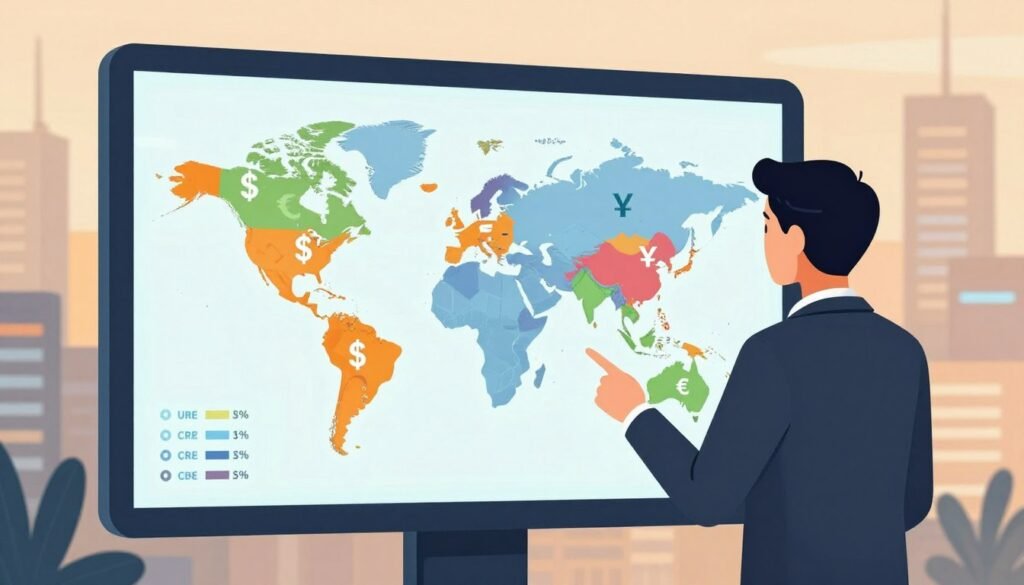
International money can seem like a puzzle. Exchange rates are key to understanding money across countries. Whether traveling or shopping online, knowing currency conversion basics can save you money.
What Exchange Rates Mean for Your Money
Exchange rates show how much one currency is worth compared to another. These rates change often due to many economic factors. For instance, if the rate is $1:€0.92, one US dollar can get you 0.92 euros.
- Economic performance impacts exchange rates
- Political stability influences currency value
- International trade affects currency strength
How Currency Conversion Fees Impact Your Budget
Foreign transaction fees can cut down your money during exchanges. These fees differ a lot between places.
| Exchange Service | Transaction Fee | Total Cost Impact |
|---|---|---|
| Bank ATM | 1-3% | Low |
| Airport Kiosk | 5-10% | High |
| Online Currency Converter | 0-2% | Minimal |
Smart travelers compare exchange rates to save money. Always check the total conversion cost, not just the headline exchange rate. Some places might look good but have hidden fees.
👉 Compare real-time currency values using our live exchange rate calculator
How to Convert Currency Safely When Traveling or Shopping Online
When you travel or shop online, knowing how to handle money is key. It’s important to understand currency conversion to keep your money safe.
Travelers and online shoppers have to be smart about their money:
- Research destination payment preferences
- Verify website security indicators
- Understand exchange rate mechanisms
- Diversify payment options
Here are some tips for handling money when you’re abroad:
| Transaction Type | Recommended Strategy |
|---|---|
| Physical Travel | Carry cash in money belt, use bank ATMs, split funds between locations |
| Online Shopping | Use credit cards with fraud protection, check HTTPS websites |
Online shoppers should watch out for dynamic currency conversion. Some sites might charge extra fees for converting money. Always check the exchange rate and any fees before you buy.
“Knowledge of international payment methods is your best defense against unexpected financial surprises.” – Financial Security Expert
Shopping online safely means being careful. Look for secure payment options, know your bank’s rules for foreign transactions, and keep records of your online buys to avoid scams.
Preparing Your Money Before International Travel
Traveling abroad needs careful money planning. Smart travelers plan their money strategy before they go. This includes protecting your finances with careful planning and smart choices.
Good financial planning involves key steps for easy transactions and safety on your trip. Keeping your digital wallet safe is very important when dealing with foreign money.
Ordering Foreign Currency in Advance
Planning early can save you stress and money when getting foreign cash. Most experts suggest:
- Visit your bank 2-3 weeks before you leave
- Ask for currencies for all places you’ll visit
- Set aside $50-$100 USD per day for extra spending
- Check the cost of living in your destinations
Mixing Cash and Credit for Maximum Security
Using different ways to pay is the safest way to travel. The best apps for currency exchange help manage your payments well.
- Carry both cash and credit cards
- Use hotel safes for extra cash and backup cards
- Spread your money across different places
- Keep digital copies of your financial documents
Travelers should focus on digital wallet security. Use encrypted payment apps and watch your transactions. Learning about local money practices before you go can avoid surprises.
Avoiding Currency Scams and Hidden Fees
Travelers face many risks when changing money abroad. To avoid scams, you need to be careful and plan ahead. Scammers and dishonest exchange services often target tourists with clever tricks.
Here are some warning signs for currency scams:
- Exchange places with very different rates
- People who offer to exchange money without being asked
- Machines in dark or isolated spots
- Kiosks that hide fees in fine print
Some places are riskier than others for avoiding scams. Airport exchange kiosks often charge too much, sometimes 10-15% more than banks. Street ATMs run by private companies can also charge high fees.
| Scam Type | Risk Level | Prevention Strategy |
|---|---|---|
| Dynamic Currency Conversion | High | Always choose local currency |
| Street Exchange Vendors | Critical | Use official banking facilities |
| Tourist Area ATMs | Moderate | Verify machine legitimacy |
Smart travelers know how to avoid scams. Check exchange rates before you buy, use bank ATMs, and never take money from strangers. Knowing your bank’s international partners can also save you from extra fees.
Pro Tip: Always carry multiple payment methods and tell your bank you’re traveling abroad to avoid transaction problems.
By being informed and careful, you can safely and confidently deal with international currency exchanges.
Best Practices for Accessing Local Currency at Your Destination
Getting local money while traveling abroad can be tricky. Learning how to get money safely and affordably is key. It helps travelers keep their money safe and enjoy their trip without surprise costs.
Choosing the Right Currency Access Method
There are many ways to get local currency, but some are better than others. Knowing the good and bad of each can save you a lot of money on your trip.
- Bank ATMs are the best and cheapest way to exchange money
- Private exchange services usually charge more
- Choose bank-affiliated ATMs in safe, well-lit spots
Understanding ATM and Conversion Charges
Dynamic currency conversion can really increase your costs. Here are important tips for using ATMs or making purchases abroad:
- Always choose local currency for transactions
- Check your bank’s fees for international withdrawals before you go
- Take out big amounts less often to avoid high charges
Choosing local currency means your bank can convert it at better rates. Dynamic currency conversion can add 3-7% to your costs. This can add up fast if you’re traveling a lot.
👉 Convert USD, EUR, GBP, CAD, and more using our free currency converter
Safety and Strategy Tips
Keep your money safe with smart strategies for accessing currency:
- Use ATMs inside bank branches if you can
- Avoid ATMs in lonely spots
- Save your transaction receipts for tracking
- Tell your bank you’re traveling abroad
By using these tips, travelers can cut down on currency conversion costs. They can also stay financially safe on their international trips.
Conclusion
Currency conversion doesn’t have to be hard. Knowing about exchange rates and planning ahead can help. It’s all about being informed and strategic.
For successful money moves abroad, follow a few key steps. First, check exchange rates before you go. Then, use different payment methods for safety. Always choose bank ATMs over currency exchange booths to avoid extra fees.
Being smart with money means understanding the financial world. Look at total costs, watch out for scams, and stay flexible with how you pay. Every place has its own money challenges, but the basic steps are the same.
Learning about currency conversion is easy with a bit of effort. It might seem scary at first, but the basics are simple. Anyone can master it with a little practice.
Disclaimer: This content is for informational purposes only and should not be considered financial advice. Currency exchange rates, fees, and policies vary by institution and location. Always verify current rates and terms with your specific financial service providers before making currency conversion decisions.