Ever wondered why your dollar goes further in some countries than others?
That isn’t random — it’s currency exchange rates at work.
Exchange rates affect:
- travel costs
- online shopping from other countries
- import prices
- global business
- even gas and food prices
Use Free currency converter below:
Currency Converter
Understanding them doesn’t require an economics degree. Once you learn the few core factors, financial news suddenly starts making sense.
In this beginner guide, you’ll learn what actually moves currency values and why they change every single day.
Key Takeaways
- Interest rates and inflation strongly influence currency value
- Strong economies attract foreign investment
- Political stability increases currency demand
- Trade balances affect long-term currency strength
- Supply and demand ultimately determine exchange rate movement
Understanding Currency Exchange Rate Basics
What Is a Currency Exchange Rate?
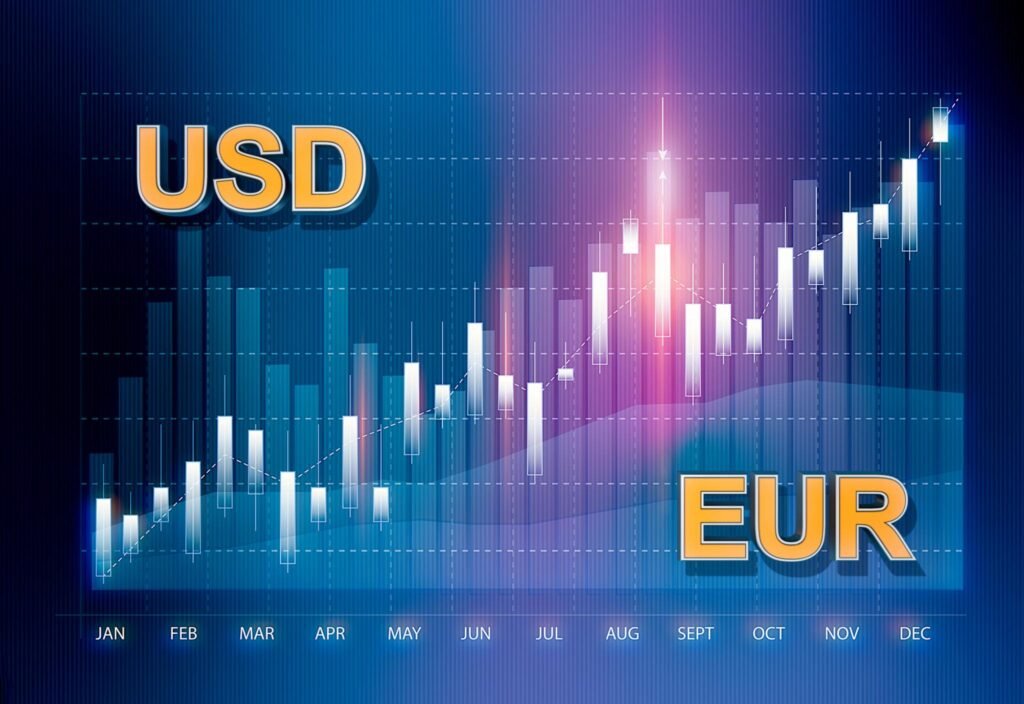
A currency exchange rate is the price of one country’s money compared to another.
Example:
If 1 USD = 0.92 EUR, one U.S. dollar buys 0.92 euros.
Rates constantly move because global money is always moving.
How Exchange Rates Work in Real Life
Exchange rates impact everyday life more than most people realize.
If the U.S. dollar becomes stronger:
- imports become cheaper
- travel abroad becomes cheaper
- foreign goods cost less
If the dollar weakens:
- travel costs more
- imported products rise in price
- inflation often increases
Why Exchange Rates Matter to You
They affect:
- airline tickets
- international purchases
- investments
- inflation
- cost of living
INTERNAL LINK — INSERT HERE
At the end of this section add:
To better understand how conversions actually work, read How Currency Conversion Works Step-by-Step
The #1 Driver: Supply and Demand
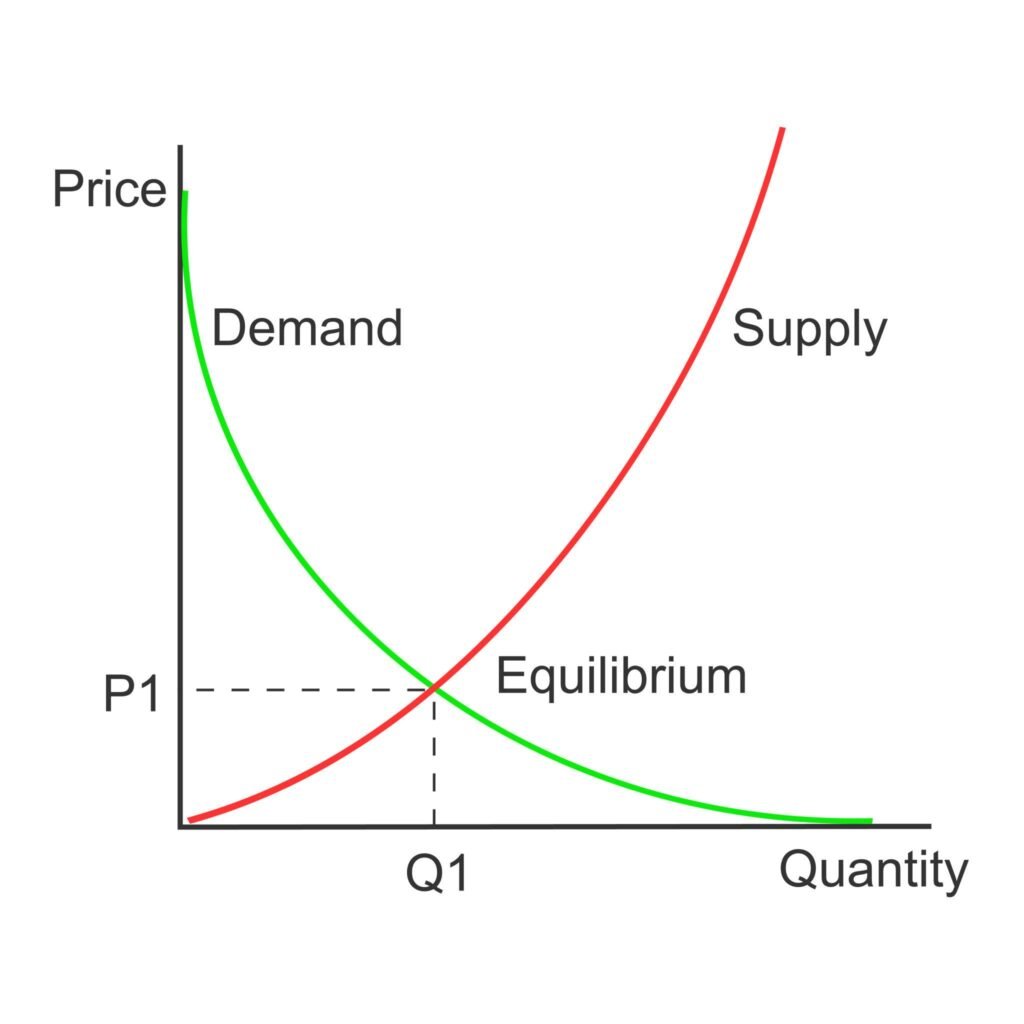
Currencies behave exactly like products.
More demand = value rises
Less demand = value falls
Why demand increases:
- investors buying assets
- tourism
- trade
- economic growth
If businesses around the world want U.S. investments, they must buy U.S. dollars first — raising its value.
Interest Rates and Central Banks
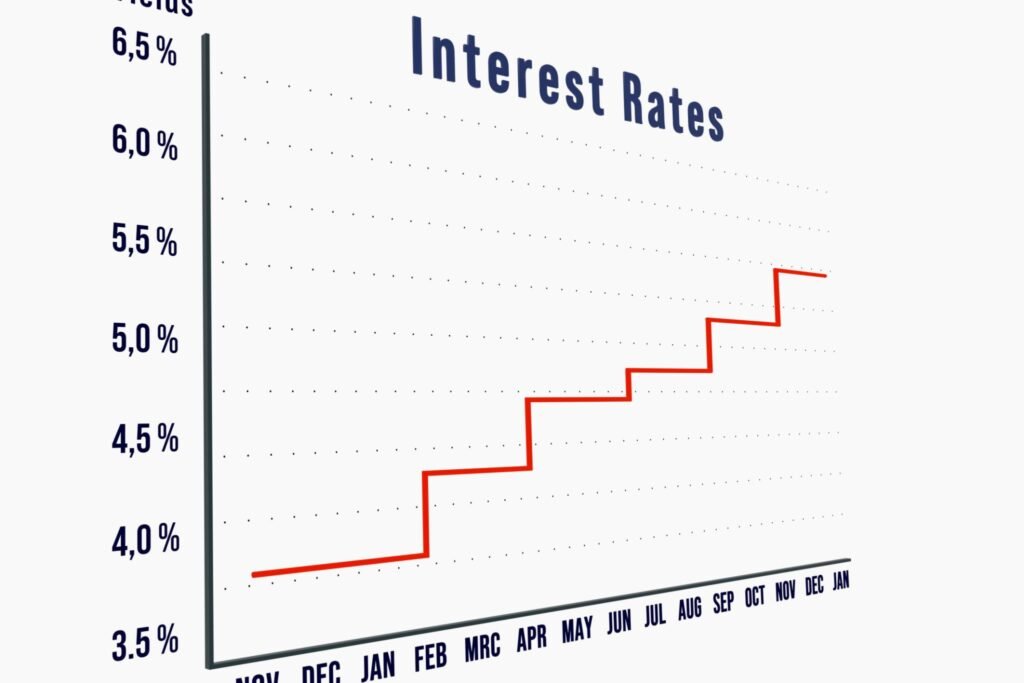
Central banks control interest rates.
Higher interest rates:
→ attract investors
→ investors buy that country’s currency
→ currency strengthens
Lower rates:
→ investors leave
→ currency weakens
Example:
When U.S. interest rates rise, global investors move money into U.S. banks and bonds. They must buy dollars first — increasing dollar demand.
Inflation and Purchasing Power
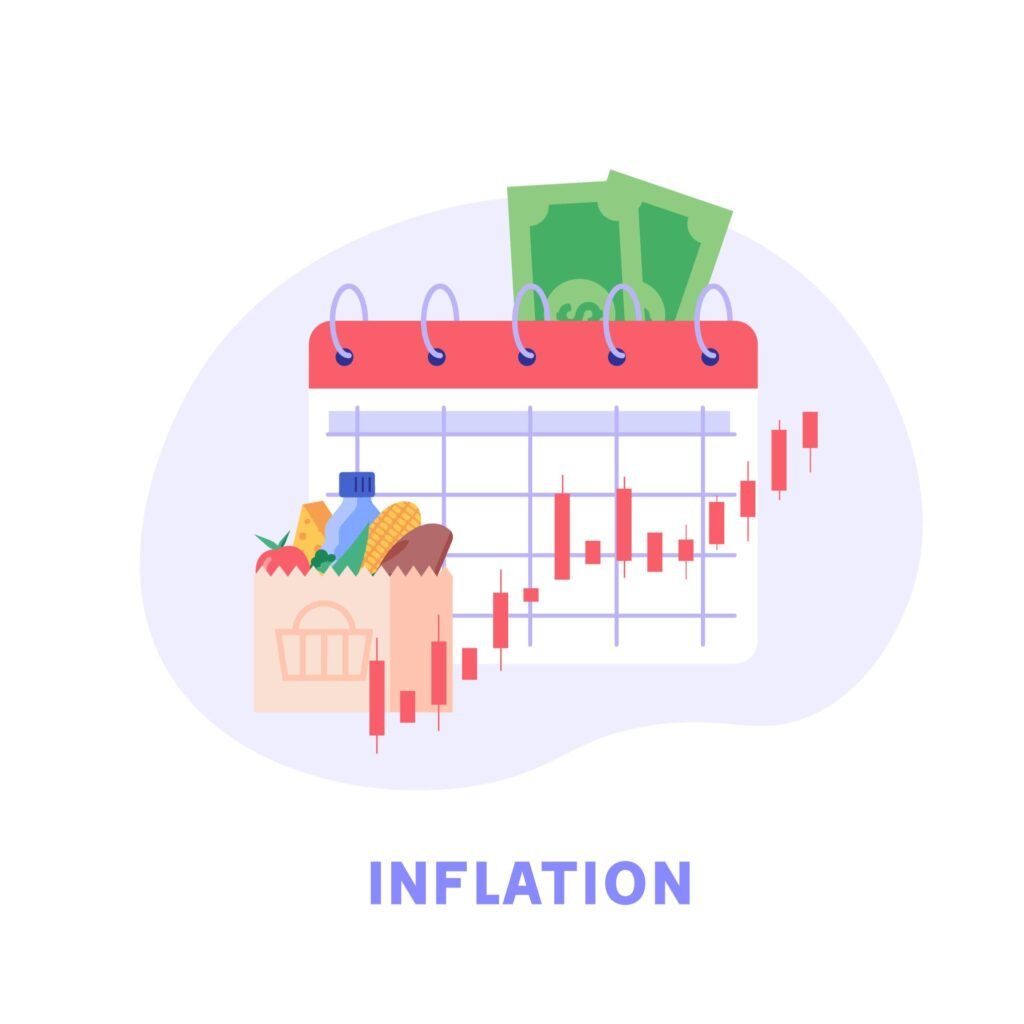
Inflation measures how fast prices rise.
High inflation = money loses value.
If one country has 8% inflation and another has 2%, investors prefer the stable currency. The high-inflation currency weakens.
This is why stable economies usually have stronger currencies.
Economic Growth (GDP & Jobs)
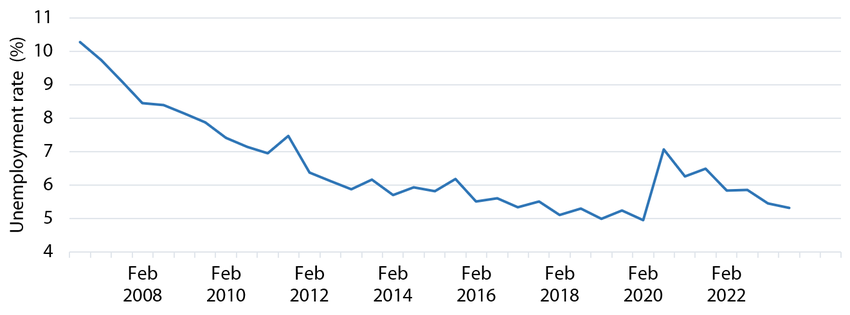
Strong economies attract money.
Investors look for:
- job growth
- rising wages
- stable businesses
- expanding GDP
When global investors invest in a country, they must purchase its currency — pushing the value higher.
Trade Balance (Exports vs Imports)
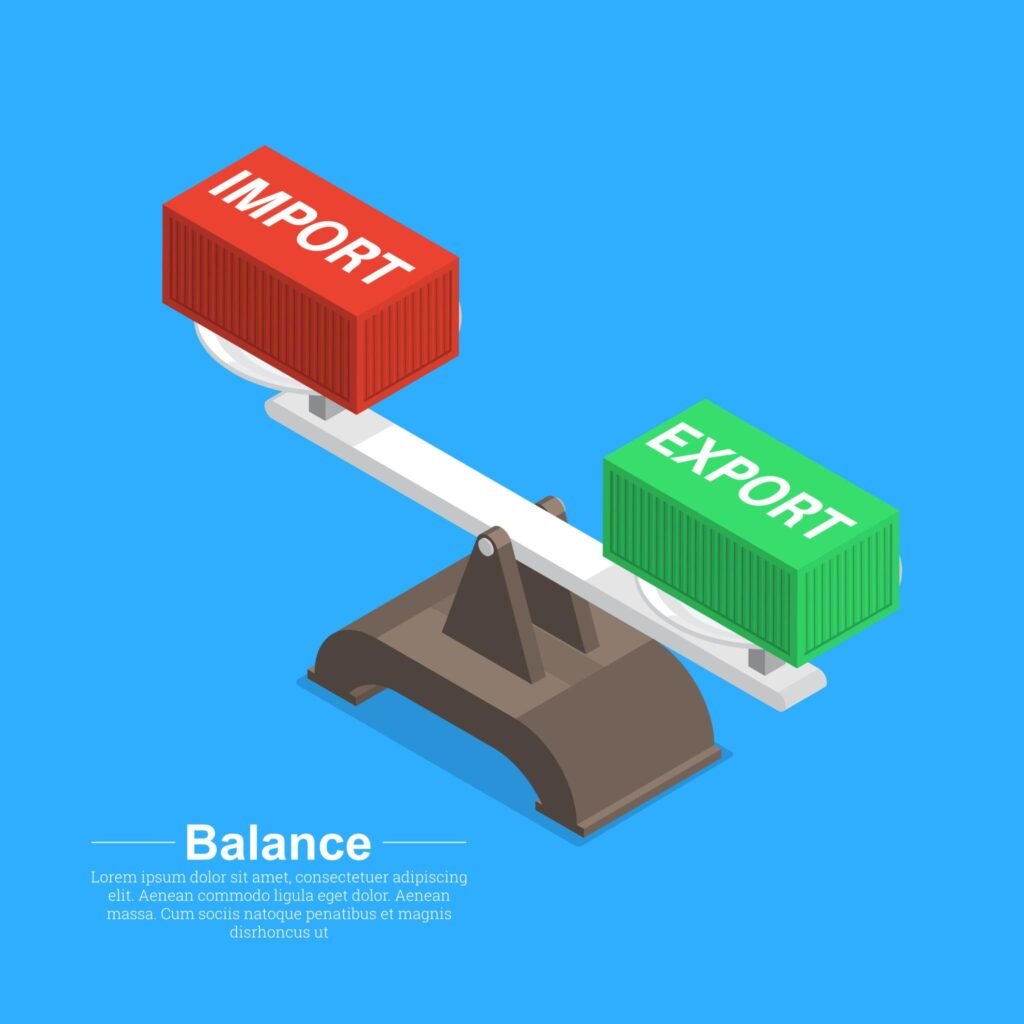
Countries that export more than they import often have stronger currencies.
Why?
Foreign buyers must buy that country’s currency to purchase its goods.
Example:
Japan exports cars worldwide → buyers must buy Japanese yen → yen demand rises.
Political Stability and World Events
Markets hate uncertainty.
Events that weaken currencies:
- wars
- elections uncertainty
- government debt problems
- economic crises
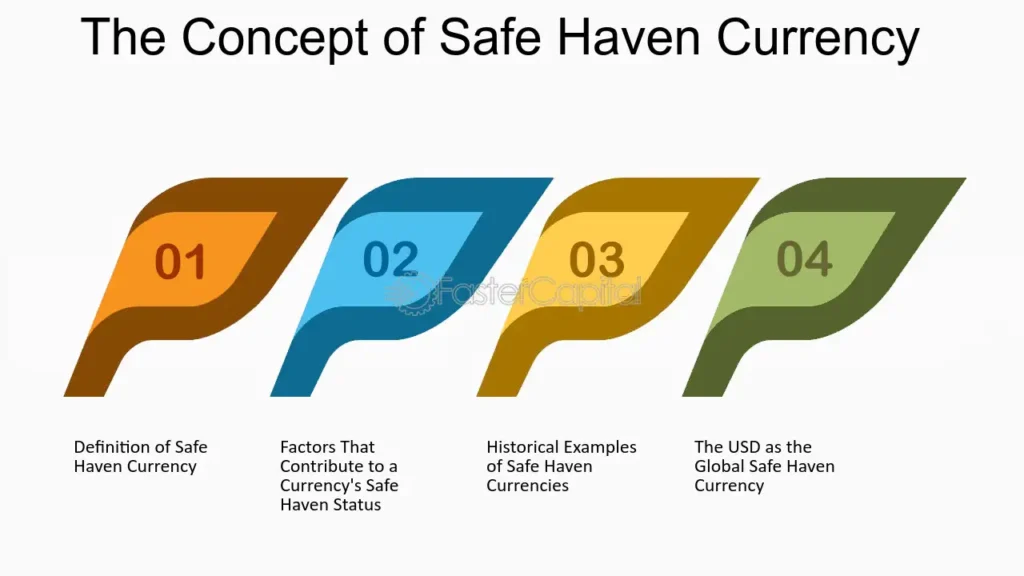
During global fear, investors move money into safe-haven currencies like the U.S. dollar.
Conclusion
Currency exchange rates are not random.
They move because of a combination of:
- supply and demand
- interest rates
- inflation
- economic growth
- trade
- political stability
Once you understand these factors, financial news becomes far easier to follow — and you’ll better understand travel prices, inflation, and even investment markets.
Disclaimer:
Voltcurrency.com provides educational financial information only. The content on this website does not constitute financial, investment, tax, or legal advice. Always consult a qualified financial professional before making financial decisions.