Ever notice how a vacation can suddenly become more expensive overnight? One day your money goes far… and the next day it doesn’t. That’s not a mistake — it’s currency exchange rates moving.
Currency values constantly change because money itself is traded just like a product. Understanding why currency exchange rates change every day helps travelers, online shoppers, and even remote workers avoid losing money without realizing it.
In this guide, you’ll learn who actually influences currency values and why they move daily.
What Currency Exchange Rates Really Mean
An exchange rate is simply the price of one country’s money compared to another.
If 1 U.S. dollar equals 0.90 euros, that means the dollar is stronger than the euro at that moment.
Currencies are not fixed — they behave like stocks. Their price rises or falls based on global demand.
The Basics of Currency Conversion
Currency conversion happens when you exchange one country’s money for another. This affects:
- international travel
- online shopping
- business payments
- freelance work
When demand for a currency increases → its value rises.
When demand decreases → its value falls.
To understand how a conversion actually happens step-by-step, read:
How Currency Conversion Works Step-by-Step
Why Every Currency Has a Different Value
Each currency’s strength depends on a country’s economic health.
Major factors include:
- inflation rates
- employment levels
- economic growth
- political stability
- trade balances
For example:
High inflation weakens a currency because the money buys less. Stable economies usually have stronger currencies.
Who Actually Controls Currency Exchange Rates
Central Banks — The Hidden Influencers
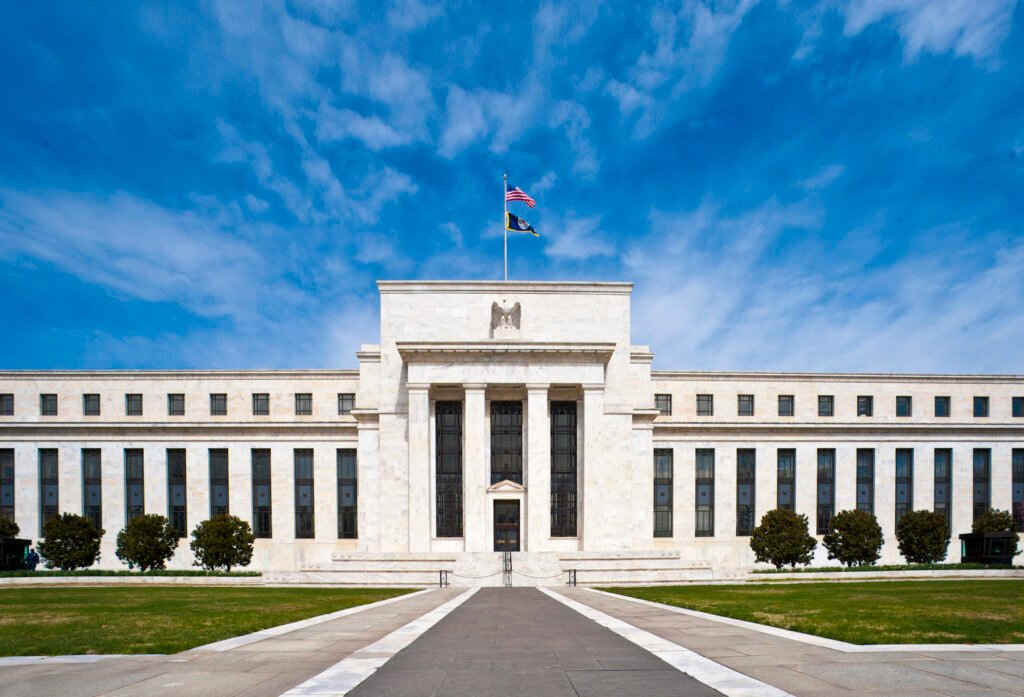
Central banks (like the U.S. Federal Reserve) influence currency values mainly by changing interest rates.
Higher interest rates → investors move money into that country → currency strengthens
Lower interest rates → investors leave → currency weakens
They can also directly buy or sell their currency to stabilize the economy.
The Foreign Exchange Market (Forex)
The foreign exchange market is the largest financial market in the world.
Over $6 trillion dollars is traded daily.
It runs 24 hours a day across:
- Asia
- Europe
- North America
Because someone is always trading somewhere in the world, currency prices never stop moving.
The Truth
No single person or country fully controls exchange rates.
Instead, rates are decided by:
- governments
- banks
- investors
- businesses
- global news
Exchange rates are the result of millions of decisions happening every second.
Why Exchange Rates Change Every Day
Supply and Demand
This is the most important reason.
If many investors want a currency → price rises
If investors sell a currency → price falls
A strong economy attracts money. A weak economy pushes money away.
Global Trading Never Stops
Because markets operate in different time zones, currencies are traded continuously. News released at night in one country can move your money’s value while you sleep.
Major Factors That Move Currency Values
Interest Rates
Higher rates make a currency more attractive to investors.
Inflation
High inflation weakens purchasing power and lowers currency value.
Economic Growth
Strong economies create strong currencies.
Political Stability
Countries with stable governments usually have stable money.
How Economic News Moves Currency Values
Important reports can move exchange rates instantly:
- employment reports
- inflation reports
- trade balances
- recession warnings
Even a single announcement can cause a sudden jump or drop in value.
Real-Life Examples
Travelers
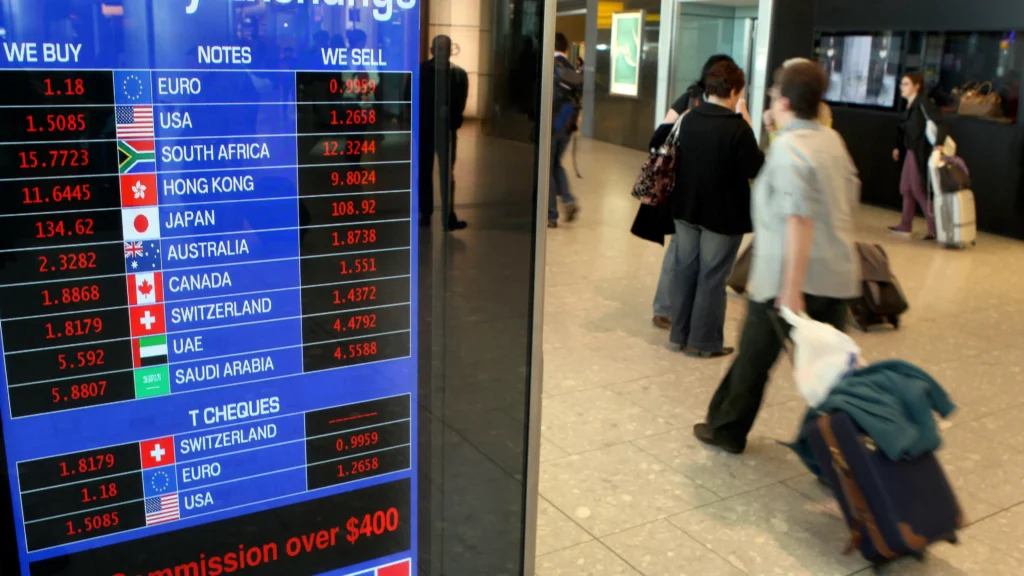
A stronger dollar makes international trips cheaper.
A weaker dollar makes vacations more expensive.
Online Shoppers
Buying from international websites can cost more or less depending on the daily rate.
You might pay different prices for the same product just days apart.
Freelancers
People paid in foreign currency are heavily affected. A small rate change can increase — or reduce — income instantly.
What Exchange Rate Volatility Means for Your Wallet
Different banks offer different exchange rates because they add fees or profit margins.
Two services may convert the same money and give you different totals.
Tips to Protect Your Money
- compare exchange providers
- monitor rate trends
- avoid airport exchanges
- use online converters before sending money
Conclusion
Currency exchange rates are the heartbeat of the global economy. They move every day because money is constantly being bought and sold worldwide.
No single organization controls them — they are driven by global demand, economic news, and investor confidence.
By understanding how rates work, you can make smarter decisions when traveling, shopping internationally, or receiving payments from abroad.
Financial Disclaimer:
This article is for informational and educational purposes only and should not be considered financial or investment advice. Exchange rates change constantly and you should verify rates with your bank or financial provider before making financial decisions.