Ever checked an exchange rate on Google, then opened your bank app and thought, “Why are these numbers not even close?” You’re not imagining it — and it’s not a glitch. Exchange rates often look different depending on where you check them, how often they update, and whether fees are quietly built into the rate. Once you understand what’s really happening behind the scenes, those confusing differences start to make sense.
👉 Check today’s real-time exchange rates using our free currency converter
The Exchange Rate Most People Never See
At the center of global currency trading is something called the mid-market exchange rate. This is the true market rate — the midpoint between the buy and sell prices used by banks and financial institutions worldwide.
Most platforms don’t show this rate directly.
Instead, they adjust it slightly before displaying it to users. That small adjustment is often how fees and profits are hidden.
👉 View the current mid-market exchange rate with our free currency converter
Why Banks Usually Show a Different Rate
Banks are convenient, but convenience usually comes with a trade-off.
Rather than charging a clear fee, many banks include their costs directly in the exchange rate they offer. This means the rate looks normal at first glance, but the value you receive is lower than the true market rate.
Common reasons bank rates differ:
- Built-in profit margins
- Slower rate updates
- Additional operational costs
Why Online Converters Don’t Always Match Each Other
Not all currency converters use the same data sources.
Some pull live market data and update constantly. Others refresh their rates only a few times per day. A few even estimate rates or include small markups automatically.
That’s why two converters checked at the same time can still show slightly different numbers — and both can technically be correct.
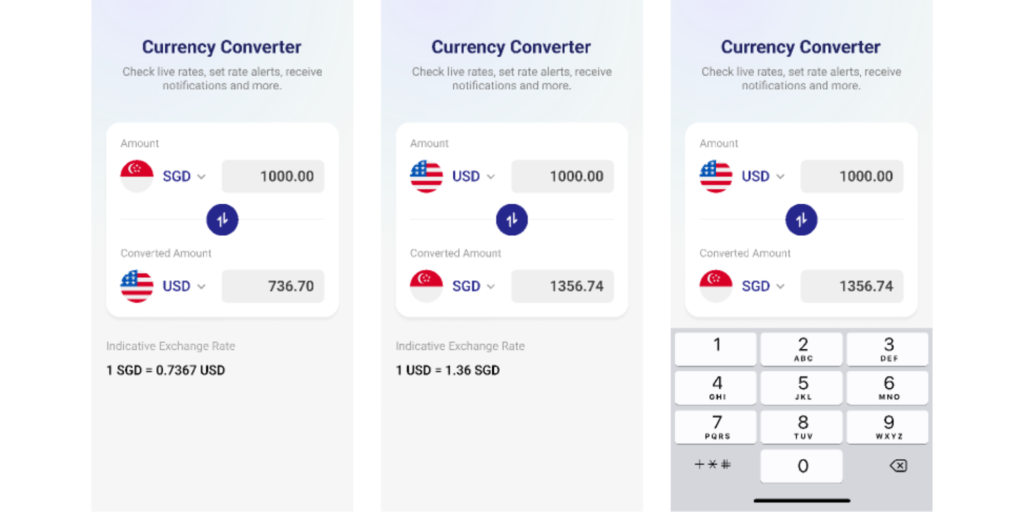
👉 Compare live exchange rates across multiple currencies instantly
Apps vs. Websites: Timing Makes a Difference
Exchange rates change constantly while global markets are open.
If one platform updates every few seconds and another updates once an hour, their numbers won’t match — even if no fees are involved.
This matters most if you:
- Send money internationally
- Shop on foreign websites
- Travel frequently
- Monitor currency trends
How to Avoid Overpaying When Converting Currency
You don’t need advanced financial knowledge to protect yourself from unfavorable rates.
A few simple habits can help:
- Always compare rates before converting
- Use tools that show real-time data
- Watch for hidden margins instead of obvious fees
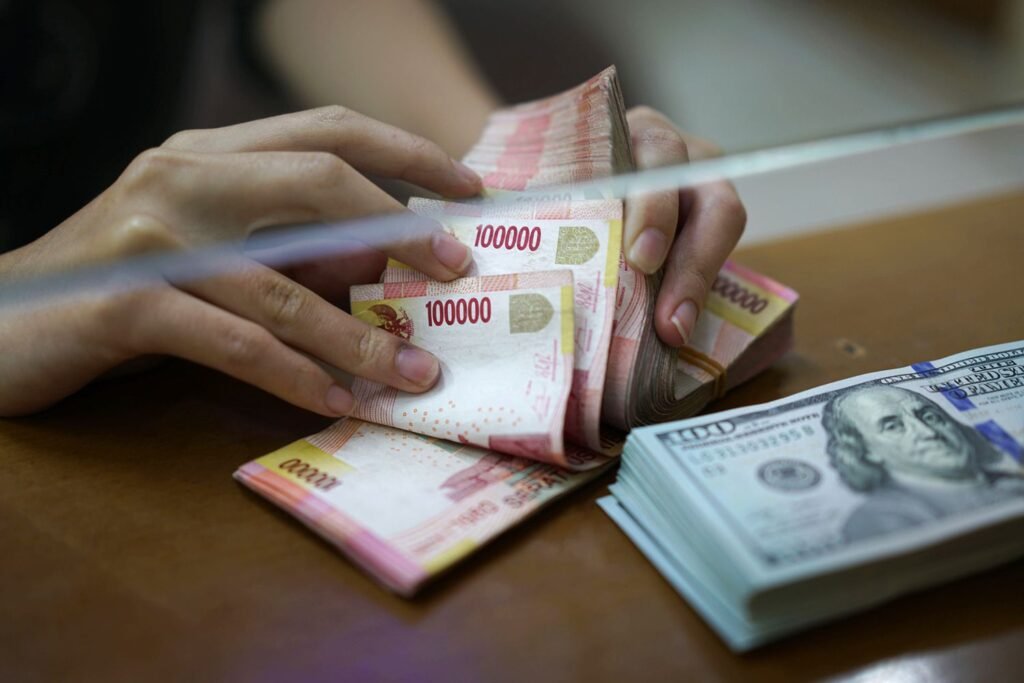
👉 See today’s most accurate exchange rates with our free currency converter
Why a Neutral Currency Converter Is Helpful
A neutral currency converter doesn’t sell currency and doesn’t charge conversion fees. Its role is simply to show what the market is doing right now.
This makes it easier to:
- Spot inflated rates
- Understand real currency value
- Compare offers more confidently
Many people use independent converters as a reference point before converting through a bank or service.
Final Thoughts
Different exchange rates don’t mean something is wrong. They usually reflect fees, timing differences, or built-in margins.
By understanding how exchange rates are displayed — and by checking a reliable reference rate — you can make more informed decisions when dealing with foreign currencies.
👉 Use our free currency converter to check real-time exchange rates anytime
Disclaimer
This content is for informational purposes only and does not constitute financial advice. Exchange rates may vary depending on market conditions.